Interactive Educational Guides for All
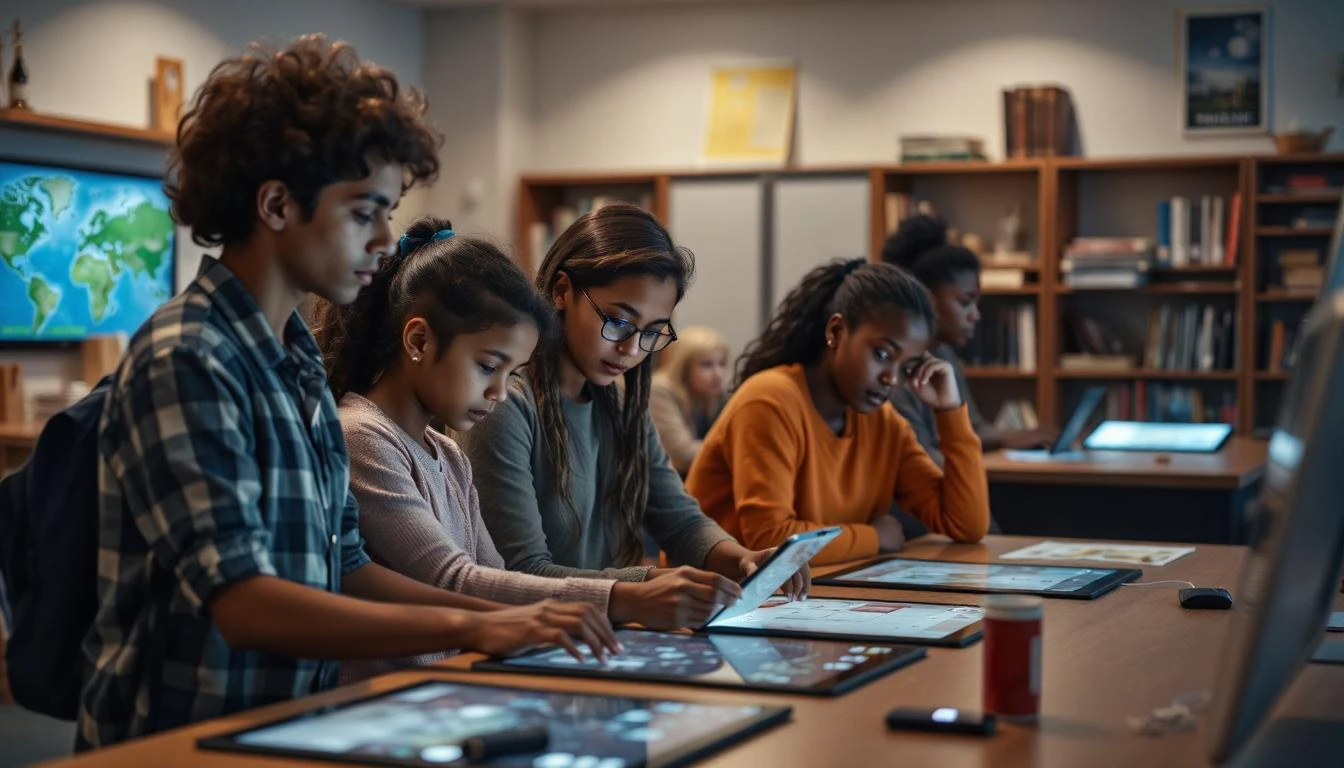
Education is no longer limited to classrooms, textbooks, or one-way lectures. Today, learners of all ages are looking for experiences that feel engaging, practical, and relevant to real life. As technology continues to reshape how people access information, educational experiences are becoming more immersive, helping learners stay motivated while developing valuable skills that can be applied immediately.
The growing popularity of interactive learning tools reflects a major shift in how knowledge is acquired and retained. Instead of simply consuming information, learners now expect to participate, explore, and collaborate throughout the learning process. This evolution is creating new opportunities for students, professionals, and lifelong learners who want a more meaningful and effective educational journey.
The Benefits of Interactive Learning
Modern education is moving toward learner-centered experiences that encourage participation and curiosity. Rather than focusing solely on memorization, interactive learning helps individuals develop practical understanding through engagement and exploration.
The rise of digital learning tools has made interactive education more accessible than ever. From mobile learning applications to advanced online platforms, these technologies provide flexible ways for people to connect with educational content while improving overall learning outcomes.
Increasing Engagement Through Participation
One of the greatest advantages of interactive learning is its ability to capture attention. When learners actively participate in discussions, quizzes, challenges, and activities, they become more invested in the educational process.
Participation transforms learning from a passive experience into an active one. Instead of simply reading information, learners interact with concepts, ask questions, and apply what they have learned. This deeper involvement often leads to higher motivation and improved performance.
As educational psychologist Jerome Bruner once noted, "Learning is an active process in which learners construct new ideas based upon their current and past knowledge." This perspective continues to influence modern educational design and interactive teaching strategies.
Learning by Doing and Exploring
People often learn best when they can experiment and discover concepts on their own. Interactive learning environments provide opportunities to explore topics through simulations, projects, and hands-on activities.
Whether someone is learning business skills, technology concepts, or creative disciplines, practical experience helps bridge the gap between theory and application. This approach encourages problem-solving and critical thinking while making learning more enjoyable.
Interactive exploration also allows learners to progress at their own pace. Instead of following a rigid structure, they can spend more time on challenging concepts and move quickly through familiar material.
Enhancing Knowledge Retention
Information is easier to remember when learners engage with it actively. Interactive experiences encourage repeated exposure to concepts through multiple formats, including videos, discussions, quizzes, and practical exercises.
This combination of visual, auditory, and experiential learning creates stronger connections within the brain, improving long-term retention. Learners are more likely to recall information when they have actively participated in the learning process rather than simply reading or listening.
Educational research consistently demonstrates that active engagement contributes to deeper understanding and more durable knowledge retention, making interactive learning an effective solution for modern education.
Popular Interactive Learning Methods
As demand for engaging education continues to grow, a variety of interactive methods have emerged to support different learning preferences. These approaches combine technology, creativity, and collaboration to deliver more impactful educational experiences.
The increasing availability of digital learning tools has accelerated the adoption of innovative teaching methods that make learning both enjoyable and effective for diverse audiences.
Educational Games and Quizzes
Educational games and quizzes have become powerful learning resources because they combine entertainment with skill development. By introducing challenges, rewards, and instant feedback, these tools encourage learners to remain engaged while reinforcing important concepts.
Many platforms now use gamification techniques to motivate learners through achievement systems, progress tracking, and friendly competition. This makes the learning process feel less intimidating and more rewarding.
Long-tail searches such as best interactive learning tools for online education continue to grow because learners want solutions that combine effectiveness with enjoyment.
Virtual Simulations and Activities
Virtual simulations allow learners to practice real-world scenarios in safe and controlled environments. These experiences help individuals build confidence before applying their knowledge in professional or academic settings.
Business professionals can test strategic decisions, healthcare students can practice procedures, and aspiring entrepreneurs can explore marketplace operations without real-world risks. This practical approach provides valuable experience while reducing the fear of making mistakes.
The growth of virtual learning environments, immersive education, and interactive training platforms demonstrates how technology is transforming educational experiences worldwide.
Collaborative Learning Experiences
Learning becomes even more powerful when people share ideas and solve problems together. Collaborative learning encourages communication, teamwork, and knowledge exchange among participants.
Online communities, discussion forums, group projects, and virtual classrooms create opportunities for learners to benefit from different perspectives. This collaborative environment often leads to deeper understanding and stronger problem-solving abilities.
According to Lev Vygotsky, "Learning awakens a variety of internal developmental processes that are able to operate only when people interact with others." His work continues to highlight the importance of social interaction in educational development.
Making Education Accessible for Everyone
One of the most important goals of modern education is accessibility. Interactive learning technologies are helping remove barriers that once limited educational opportunities for many individuals.
As educational resources become more inclusive and flexible, learners from different backgrounds can access quality learning experiences regardless of location, age, or personal circumstances.
Learning Across Different Age Groups
Interactive education benefits learners at every stage of life. Children use engaging activities to develop foundational skills, while adults leverage online resources to advance their careers or pursue personal interests.
Because learning needs vary across age groups, interactive platforms often provide personalized experiences that adapt to individual goals and learning styles. This flexibility helps ensure that education remains relevant and effective.
Flexible Online Learning Options
Flexibility has become one of the defining characteristics of modern education. Learners can access courses, workshops, and educational resources whenever and wherever it is most convenient.
This accessibility is especially valuable for professionals, parents, and individuals balancing multiple responsibilities. Self-paced learning allows people to continue developing new skills without disrupting their daily routines.
Searches for interactive online learning platforms for adult education and personalized digital learning experiences continue to increase as more people seek convenient learning solutions.
Inclusive Educational Resources
Inclusive education ensures that learning opportunities are available to everyone. Features such as multilingual content, adaptive interfaces, accessibility tools, and diverse learning formats help create equitable educational experiences.
These resources support learners with varying abilities and backgrounds while fostering greater participation and success. By prioritizing inclusion, educational providers create environments where all learners can thrive.
Discover Interactive Learning Tools and Start Growing Today
The future of education is becoming increasingly interactive, personalized, and accessible. As technology continues to evolve, learners have more opportunities than ever to engage with knowledge in meaningful ways, build practical skills, and achieve their personal or professional goals.
Whether through educational games, virtual simulations, collaborative communities, or innovative learning platforms, interactive education is helping transform the way people learn. The real question is not whether interactive learning will shape the future of education, but how quickly learners will embrace these opportunities to unlock their full potential. If you are ready to experience a more engaging approach to education, now is the perfect time to start exploring the possibilities available today.